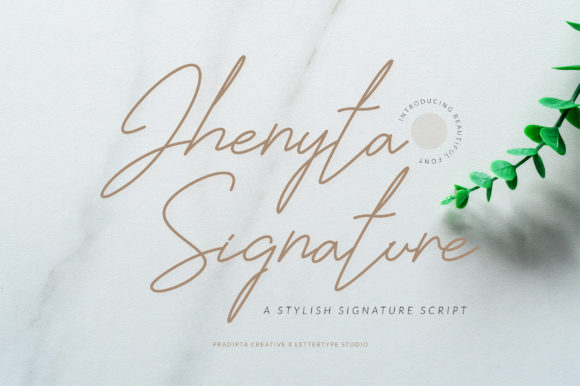
Jhenyta Signature Typeface for Elegant Web Design
As a web designer, I am always on the lookout for typefaces that can elevate a digital interface without compromising load times or readability. Jhenyta Signature is a thin and elegant handwritten font that brings a distinct human touch to screens, making it an ideal choice for brands seeking a personalized style. When integrated correctly into digital layouts, this script font does more than just look good; it establishes an immediate emotional connection with the user, guiding their eye through visual hierarchy and reinforcing brand tone.
In the crowded space of online design, where clean sans-serifs often dominate, a well-executed script font like Jhenyta Signature offers a rare opportunity for differentiation. It works beautifully on a variety of designs requiring a personalized style, such as wedding invitations, thank you cards, weddings, greeting cards, and increasingly, high-end digital experiences. For UI designers and digital product creators, understanding how to deploy this font effectively is key to creating immersive web experiences that feel both professional and intimate.
Jhenyta Signature for Wedding Invitations and Digital Branding
The origins of Jhenyta Signature lie in its suitability for traditional stationery, but its application extends far beyond paper. This Script Handwritten font captures the nuance of calligraphy while maintaining the structural integrity needed for modern interfaces. When designing for the wedding industry, whether for a boutique planner’s website or a digital invitation platform, Jhenyta Signature serves as a powerful tool for setting the mood. Its thin strokes convey delicacy and sophistication, qualities that are essential when communicating luxury and care to potential clients.
For digital product creators, using Jhenyta Signature allows you to translate the tactile experience of physical stationery into the digital realm. Imagine a landing page for a premium wedding photography package where the headline utilizes Jhenyta Signature to create an air of exclusivity. The font’s elegance ensures that the visitor feels they are engaging with a high-touch service before they even read the body copy. By leveraging this font for hero sections or key value propositions, designers can instantly communicate a brand’s attention to detail and aesthetic sensibility.
Enhancing Visual Hierarchy in Landing Pages
One of the most critical aspects of web design is establishing a clear visual hierarchy. Jhenyta Signature excels as a display font for headlines, subheads, and short phrases, helping to break up dense blocks of text and guide the user’s scanning behavior. Because the font is thin and elegant, it should be used sparingly to avoid visual fatigue. In a conversion-focused layout, using Jhenyta Signature for a primary call-to-action (CTA) label or a testimonial quote can draw attention without overwhelming the user interface.
When incorporating Jhenyta Signature into your designs, consider its role in contrast. Pairing this delicate script with a robust, neutral sans-serif font for body copy creates a dynamic tension that keeps the layout interesting. The sans-serif provides the necessary readability for long-form content, while Jhenyta Signature adds personality to headers and decorative elements. This combination ensures that the website remains accessible and easy to navigate while still retaining a unique brand identity. For example, a coaching website might use a clean sans-serif for educational articles, reserving Jhenyta Signature for motivational quotes or section dividers to add a personal flair.
Optimizing Jhenyta Signature for Mobile and Responsive Layouts
Digital typography must perform flawlessly across all devices, and Jhenyta Signature requires careful consideration when scaled down for mobile screens. The thin nature of the font means that at smaller sizes, it can become difficult to read, potentially hurting accessibility and user engagement. To mitigate this, web designers should use Jhenyta Signature primarily for larger headings on desktop views and switch to simpler, heavier weights for mobile headers if available, or reduce the reliance on the script font entirely on smaller breakpoints.
For responsive web design, testing Jhenyta Signature against various background colors is crucial. On dark backgrounds, the thin lines may disappear or cause eye strain for users. Conversely, on light backgrounds, the font shines, offering a crisp and airy aesthetic. When placing text over images, such as in banner ads or promotional overlays, ensure there is sufficient contrast by using semi-transparent backing layers or drop shadows. This technical adjustment preserves the elegance of the font while ensuring that the message remains legible, which is vital for maintaining trust and professionalism in online stores and marketing campaigns.
Building Trust Through Consistent Online Identity
A consistent online identity relies heavily on cohesive typography. Jhenyta Signature contributes to brand recognition by providing a distinctive voice that stands out in social media graphics, email newsletters, and branded web content. When used consistently across these touchpoints, the font helps build a narrative of authenticity and personal care. For creative entrepreneurs and bloggers, adopting Jhenyta Signature can signal that their content is curated with love and precision, fostering a deeper connection with their audience.
- Portfolio Sites: Use Jhenyta Signature for the name logo or project titles to highlight creativity and individuality.
- E-commerce Banners: Apply the font to sale announcements or new arrival tags to create a sense of exclusivity and urgency.
- Digital Products: Incorporate the font into course sales pages or ebook covers to enhance perceived value and aesthetic appeal.
By integrating Jhenyta Signature into these specific areas, designers can create a unified brand experience that feels both modern and timeless. The font’s ability to evoke emotion makes it a valuable asset in the toolkit of any designer aiming to create memorable digital products.
Practical Considerations for Licensing and Implementation
Before implementing Jhenyta Signature in client projects or commercial websites, it is essential to review the licensing terms. As a premium font, proper licensing ensures that you are legally allowed to use the typeface in web design, app screens, and digital templates. Most modern font licenses include webfont embedding rights, allowing you to serve the font via CSS, but it is important to verify the number of page views or domains covered.
Additionally, check the file formats included with the purchase. A comprehensive package typically includes OTF, TTF, and WOFF/WOFF2 files, which are necessary for cross-browser compatibility. If the font family includes alternate characters or ligatures, explore these options to add subtle polish to your headings. Multilingual support is another factor to consider; ensure that the character set includes the accents and symbols required for your target audience. By taking these practical steps, you can confidently deploy Jhenyta Signature as part of your design assets, knowing that it will perform reliably and legally across all your digital platforms.
Final Thoughts on Integrating Jhenyta Signature
In conclusion, Jhenyta Signature is more than just a decorative element; it is a strategic design choice that can enhance the emotional resonance of your web projects. Whether you are crafting a romantic wedding site, a sophisticated blog, or a sleek online store, this Script Handwritten font offers the elegance and personality needed to stand out. By balancing its delicate aesthetics with strong structural typography and adhering to best practices for readability and licensing, designers can leverage Jhenyta Signature to create digital experiences that are not only beautiful but also effective in driving engagement and conversions.